In 2015, Angela Merkel (Chancellor of Germany) began letting in large numbers of refugees into the country of Germany. Although Germany was admitting the immigrants, these immigrants had full rights to travel anywhere in the EU once admitted. Other members of the EU, especially Britain, felt that they did not have control or a choice over the immigration situation. Britain speculated that leaving the EU would give the country more control over their borders, terrorism, and even loss sovereignty to the EU.
According to The Economist, British areas that saw increases of over 200% in foreign-born population between 2001 and 2014 saw a majority of voters vote to leave (in 94% of cases). Research suggests that areas that received migration from Eastern Europe after the accession of 12 mainly Eastern European countries to the EU in 2004 saw significant growth in support for United Kingdom Independent Party, which mostly voted to leave the EU. Areas that saw large rises immigration between 2004 and 2011 were a large part of the majority that voted to leave the EU.
Studies concluded that 45% of Britain, at the time of the vote, regarded the immigration of refugees from the Middle East as Britain’s top issue. Although it was regarded as the country’s main issue, Britain seemingly only allowed in a fraction of the refugees of the other nations around the world.
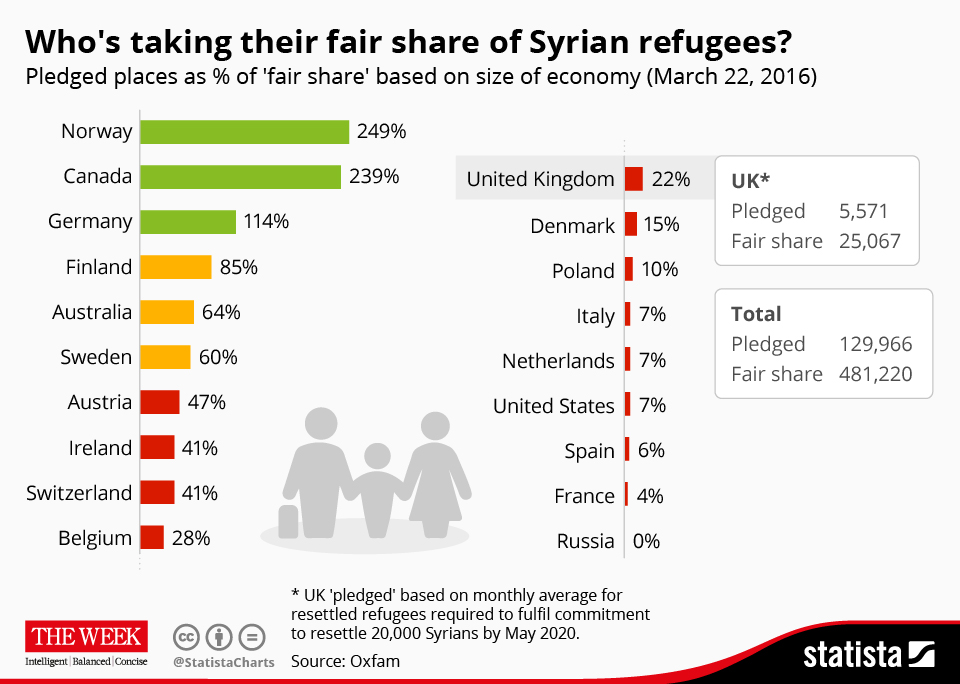
Although immigration seems to no longer be an issue in Great Britain, there was a fear that immigrants would rule the country. Before Brexit, it was estimated that around 5,000 to 13,000 immigrants would enter the country. 129,000 arrived instead. Britain assumed the number would only grow larger, and as more time passed, the more immigration pushed Britain to leave the EU.

 Brexit: Britain's Exit